Christmas is a magical time for families, but for our four-legged friends, the festive season can bring hidden dangers. Christmas can also be a time when families choose to make the season extra special by gifting a puppy. While the excitement of welcoming a furry friend can create magical memories, it’s important to remember that a puppy is a long-term commitment, not just a seasonal surprise.
Proper planning, preparation, and understanding of the responsibilities involved are essential to ensure the new addition truly thrives in their forever home. From toxic foods to seasonal decorations, there are several hazards that could harm your dog or puppy.
Here’s a guide to help you ensure your pup has a safe and merry Christmas:
Many holiday treats and dishes we enjoy can be harmful—or even deadly—to dogs. Make sure to keep these foods out of reach:
Here’s a guide to help you ensure your pup has a safe and merry Christmas:
Chocolate contains theobromine, which is highly toxic to dogs. Dark chocolate and baking chocolate are especially dangerous. Even small amounts can cause vomiting, seizures, and heart issues.
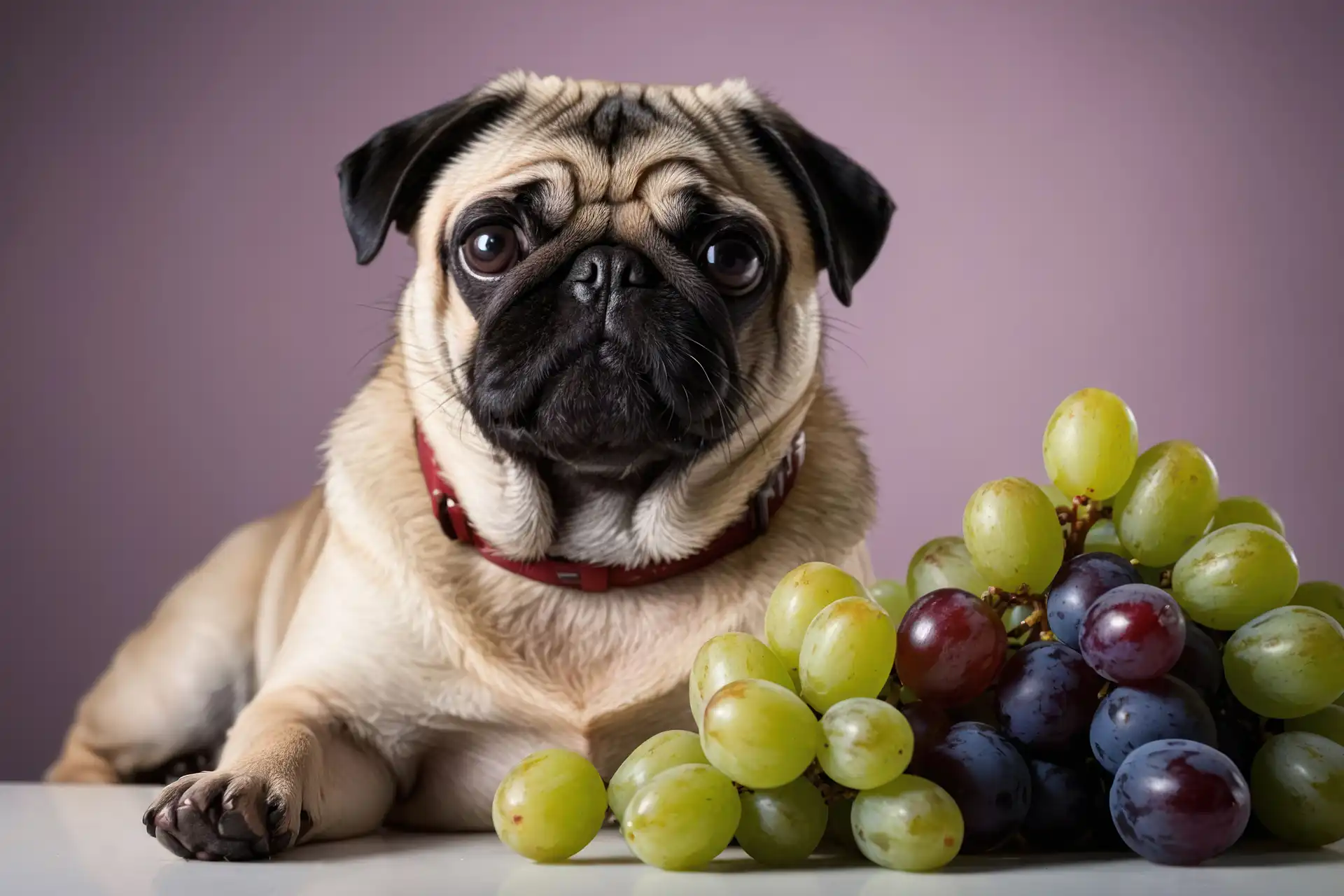
Found in mince pies, fruitcakes, and puddings, these can cause kidney failure in dogs. Symptoms include lethargy, vomiting, and decreased appetite.
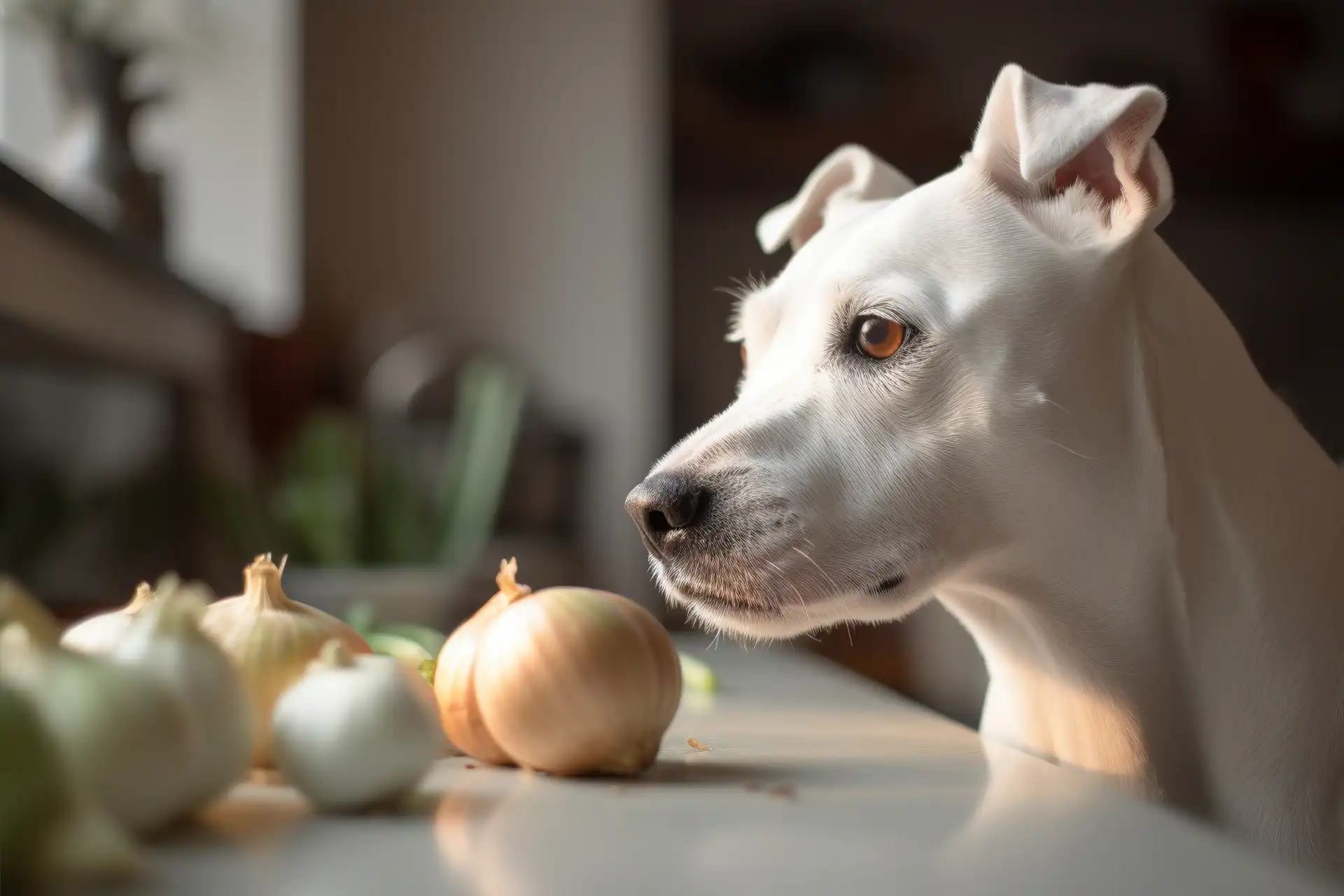
These common ingredients in Christmas cooking can damage your dog’s red blood cells, leading to anaemia. Cooked or raw, they’re a big no-no.
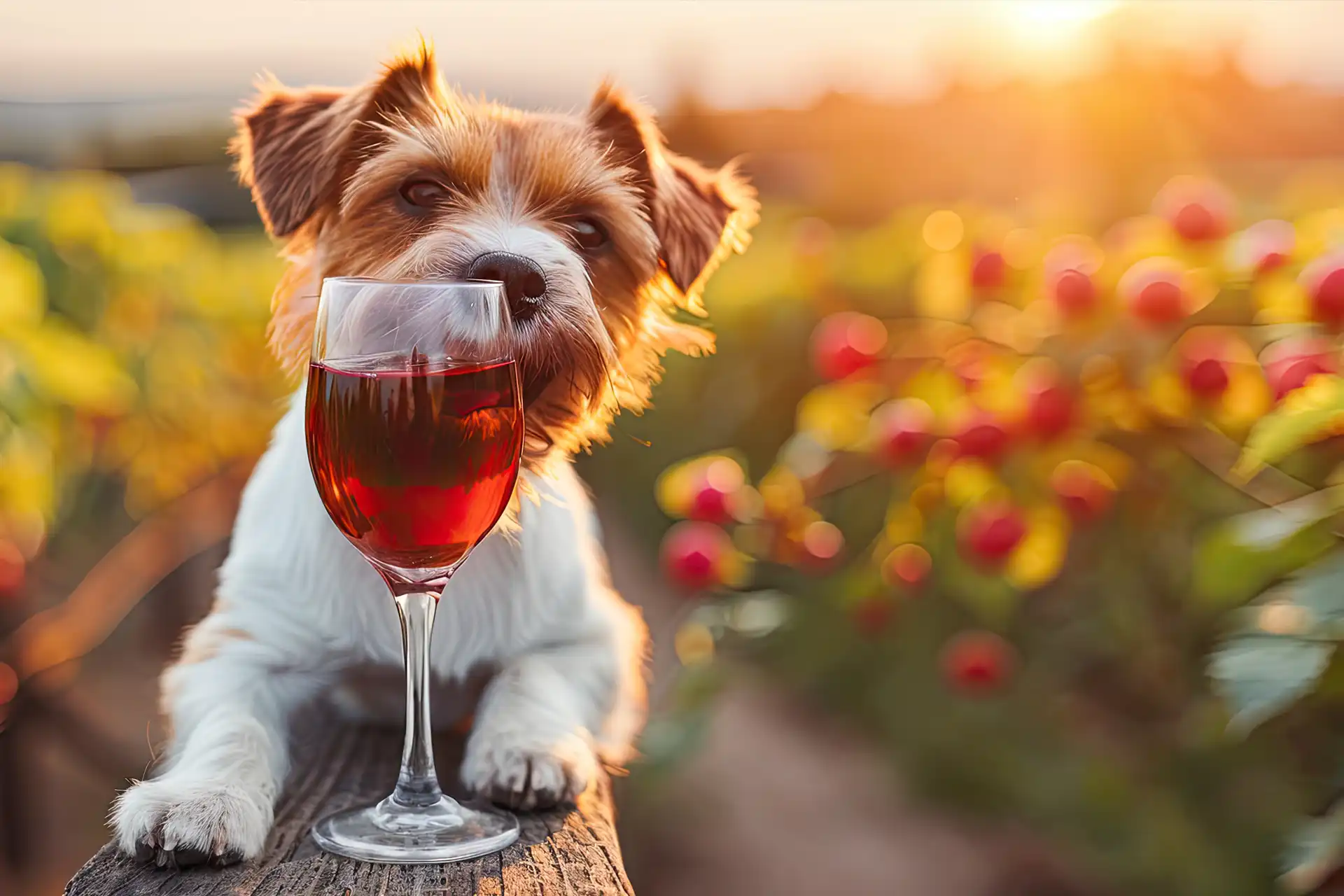
Alcohol is extremely toxic to dogs. Even small amounts can cause vomiting, difficulty breathing, and in severe cases, coma.
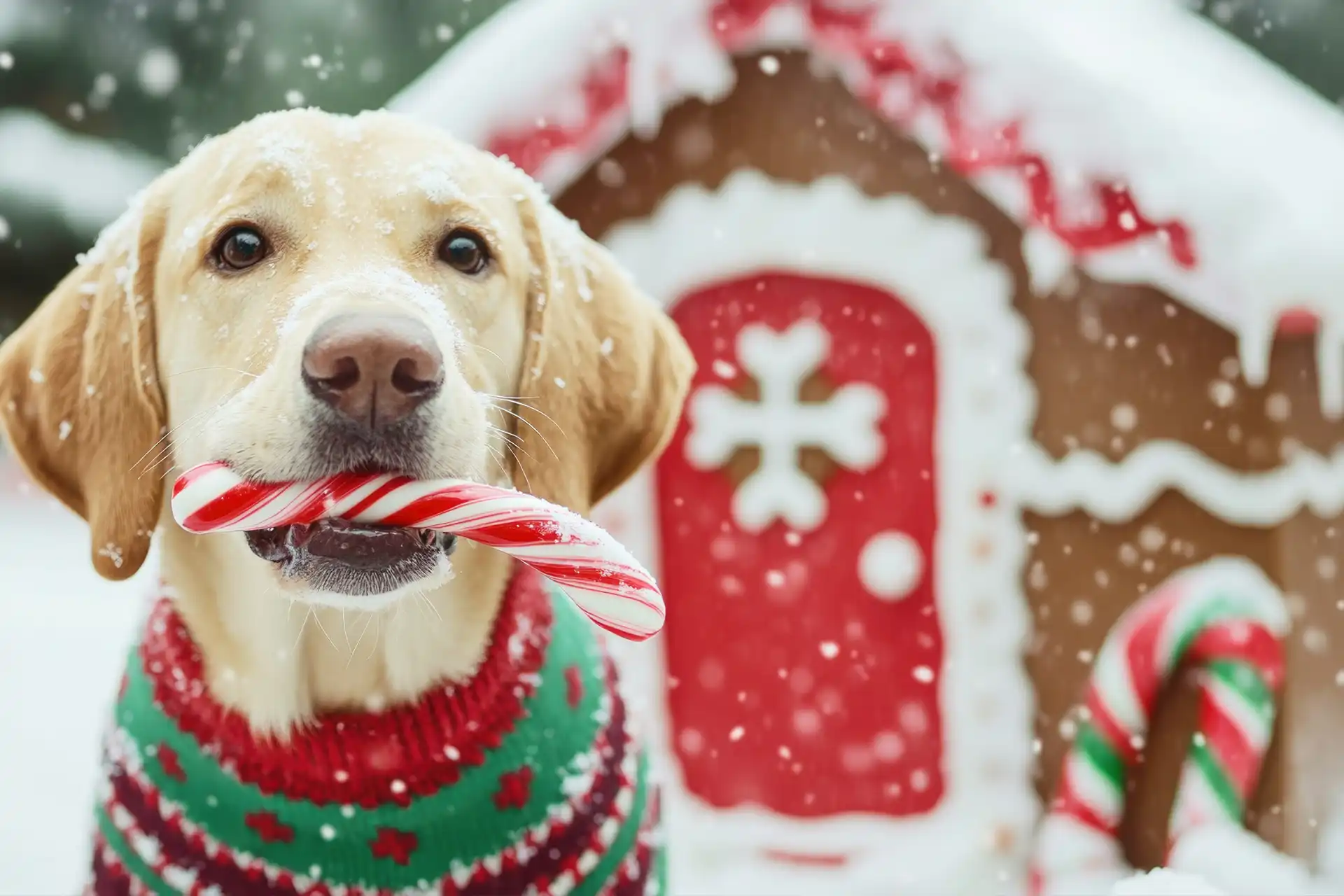
Found in sugar-free gums, candies, and baked goods, xylitol can cause a dangerous drop in blood sugar levels, leading to seizures or liver failure.
These festive nuts can cause weakness, tremors, vomiting, and even hyperthermia in dogs.
Fat trimmings can trigger pancreatitis, a serious and painful condition. Cooked bones can splinter, causing choking or internal damage.
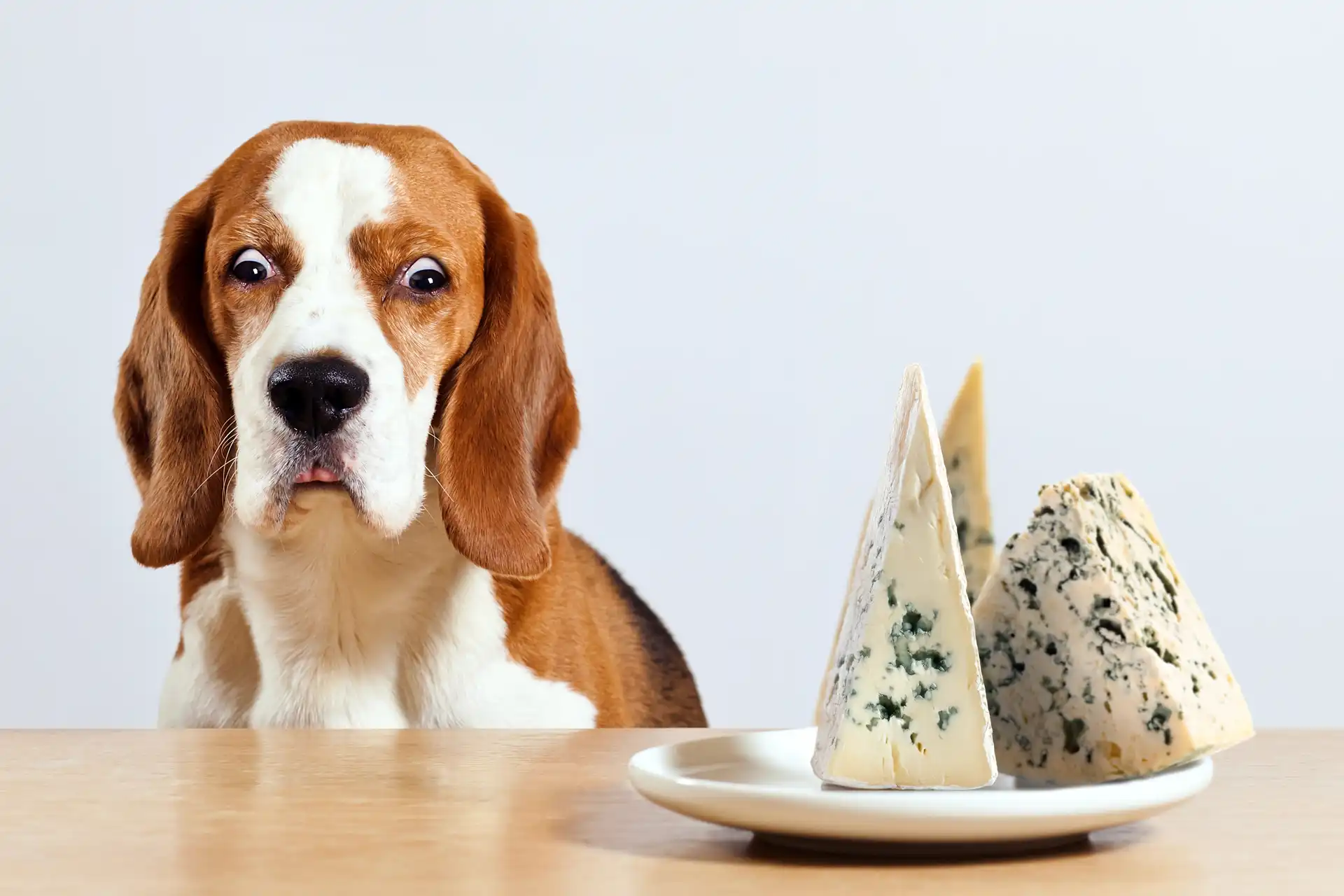
This cheese contains roquefortine C, a substance toxic to dogs, which can cause vomiting, tremors, or seizures.
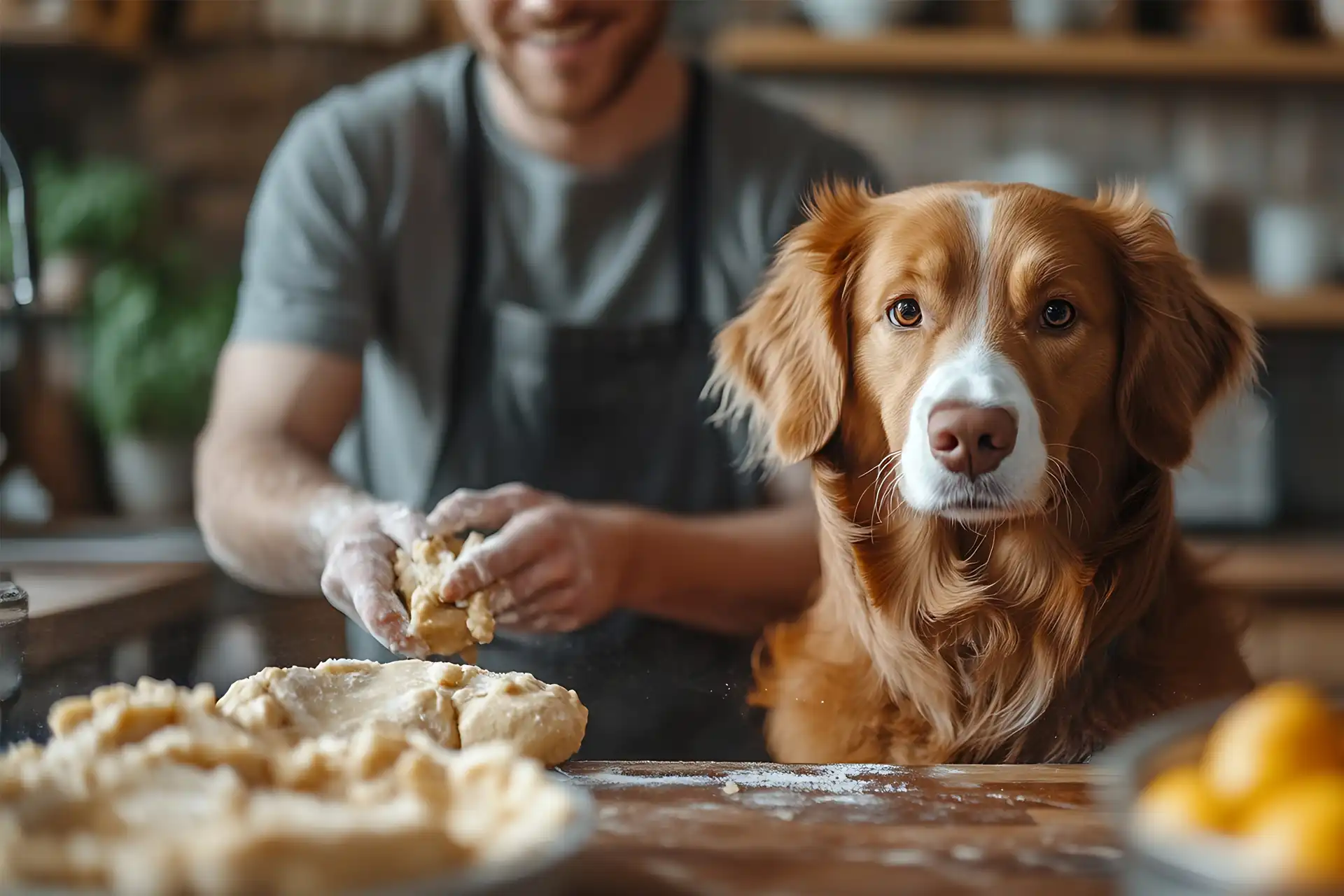
If ingested, raw dough can expand in your dog’s stomach, causing painful bloating. Yeast fermentation can also produce alcohol, further increasing the risk.
So, as tempting as it is to share your festive treats with your furry friends you must keep Christmas goodies well out of reach, as curious canines are known for late-night snack raids! By storing festive foods safely, you can protect your pup from potential health risks and ensure they enjoy the holidays as much as you do.
It’s not just festive foods, you need to keep your eye on. While your home might look beautiful for Christmas, some decorations can also pose serious risks to dogs:
Certain plants associated with Christmas can also harm dogs:
Poinsettias: Mildly toxic, they can cause drooling, vomiting, and irritation.
Holly and Mistletoe: Both can lead to vomiting, diarrhoea, and lethargy if ingested.
Lilies: While especially dangerous to cats, some lilies can irritate dogs as well.
To ensure a pet-safe Christmas just a few precautions can help protect your furry friend. Don’t forget to store all food securely and keep kitchen bins tightly closed and out of reach to prevent scavenging. Politely remind any guests not to feed your dog, even if it’s “just a little treat,” as prevention is better than the cure. I mean, who wants to embark
on a late-night jaunt to the vets on Christmas or Boxing Day? Try to also keep decorations like tinsel and ornaments out of reach, as these can be tempting but dangerous. Lastly, if you’re having a party, it can sometimes be a good idea to create a cozy space where they can hide away if the holiday excitement becomes overwhelming.
If you suspect your dog has ingested something dangerous, act quickly:
Contact your vet immediately.
Provide details about the item your dog has eaten and amount consumed.
Keep your local vet’s emergency contact details readily available throughout the holidays.
By being mindful of these holiday hazards, you can enjoy a stress-free Christmas while keeping your dog or puppy safe. Remember, a happy dog means a happy Christmas.